Over 60,000 African penguins died as sardines disappeared from South Africa’s waters, study finds
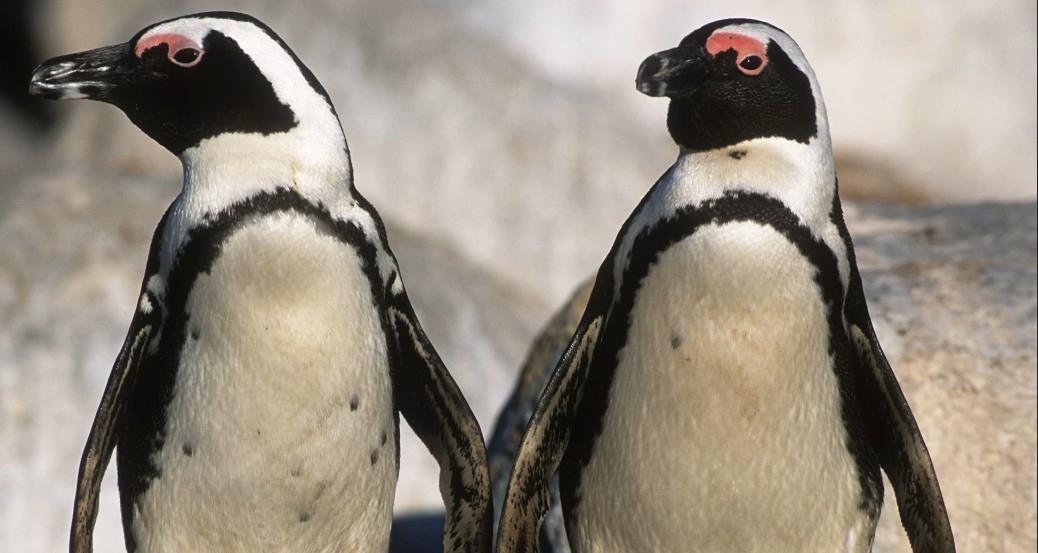
A study finds more than 60,000 African penguins died in South Africa between 2004 and 2012 after sardines crashed, highlighting climate and overfishing threats to this now critically endangered species.
New research has found that more than 60,000 African penguins died in South Africa between 2004 and 2012 after their main food source, sardines, disappeared from coastal waters due to overfishing and climate change.
The deaths affected major breeding colonies on Dassen and Robben Islands, underlining the scale of the threat facing a species that has lost nearly 80 per cent of its population over the past 30 years.
More To Read
- Report links 60,000 penguin deaths to sardine decline, poor fisheries management
- Zuma’s daughter resigns from Parliament amid claims she sent South African men to fight in Russia-Ukraine war
- Inside the rise of news influencers transforming media in Kenya, Nigeria and South Africa
- Ramaphosa hits back after Trump says South Africa won’t be invited to 2026 G20 summit
- G20: South Africa hosts summit in shadow of US boycott
- US bars Mandela Foundation Chair in latest diplomatic flashpoint with South Africa
Researchers say most of the penguins likely died during their annual moulting period — a three-week phase when they must remain on land while shedding and regrowing feathers, relying entirely on stored fat to survive.
"If food is too hard to find before they moult or immediately afterwards, they will have insufficient reserves to survive the fast," said Dr Richard Sherley from the Centre for Ecology and Conservation at the University of Exeter, according to The Guardian.
The study, published in Ostrich: Journal of African Ornithology, identifies climate change and overfishing as the main drivers of the population decline. Warmer waters and changes in salinity have made it harder for sardines to reproduce, while intensive commercial fishing has kept their numbers critically low.
"These declines are mirrored elsewhere," Sherley said.
Since 2004, sardine populations off South Africa’s west coast have often been as low as a quarter of their normal levels, leaving penguins struggling to find enough food.
African penguins were officially listed as critically endangered in 2024, with fewer than 10,000 breeding pairs remaining. Conservationists are taking action to help the species survive, including building artificial nests, protecting penguins from predators, hand-rearing adults and chicks in need, and banning large-scale commercial fishing near the six largest breeding colonies.
"These efforts are designed to increase access to prey for penguins at critical parts of their life cycle," said Dr Azwianewi Makhado from South Africa’s Department of Forestry, Fisheries and the Environment.
Experts warn that without stronger conservation measures and sustainable fisheries management, African penguins could continue to decline, with serious consequences for South Africa’s marine ecosystems.
Top Stories Today